
Whoa! I didn’t expect to get attached to a little NFC card. Seriously? Yeah—really. At first it felt like a novelty: a slim credit-card that stores crypto secrets and talks to my phone over NFC. My instinct said “cute gadget,” but then the reality of using it day-to-day sank in—and somethin’ changed. Initially I thought it’d be fiddly and niche, but after a few weeks I realized it could replace a lot of friction in how I manage keys, though it isn’t perfect.
Here’s the thing. Hardware wallets usually mean a dongle, a seed phrase written on paper, and a bit of anxiety when you leave your house. Hmm… the Tangem card flips that expectation. You tap your phone, the card signs a transaction, and you’re done. No cable, no battery, no need to remember the sequence of a recovery phrase every single time. That convenience matters. It really does.
Okay quick tangent—(oh, and by the way I dropped my phone in a puddle last month; the card survived being in my wallet next to wet keys). That surprised me. The card is resilient. Not indestructible, but tough enough for daily carry. On one hand, I trusted it enough to load real funds; on the other hand I kept a small paper backup because I’m paranoid—old habits die slow.
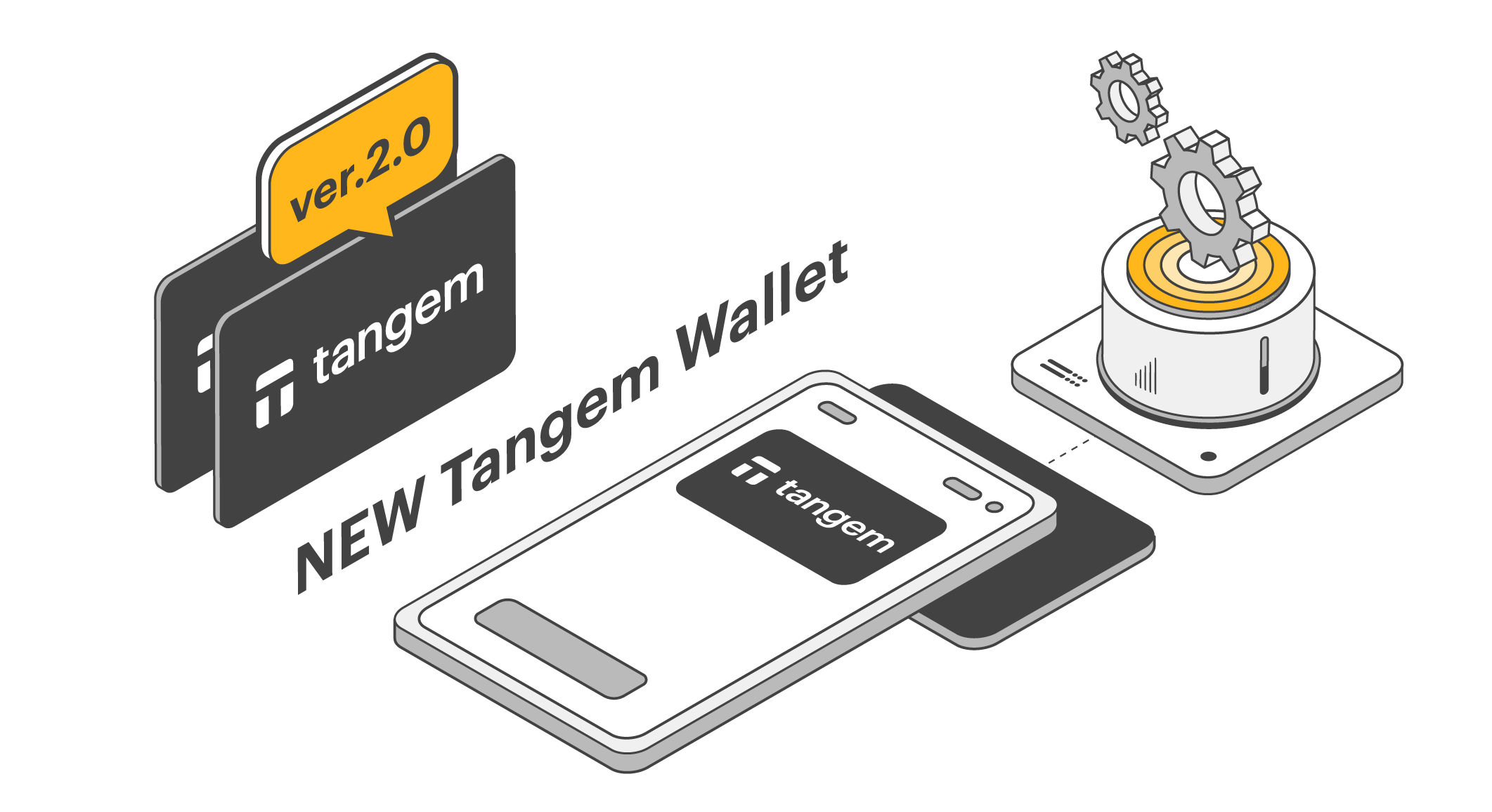
How the Tangem app and NFC wallet experience feels in real life
Tap. Authenticate. Done. Those are short steps that cover a lot of cognitive load. My first impressions were fast and intuitive—System 1 stuff—then the slow analysis came in: how are keys stored? what happens if the card is lost? Initially I thought the card acted like a seed phrase in a fancy wrapper, but then I realized it actually stores private keys securely inside a tamper-evident chip and never exposes them. On the technical side this is significant because the private key never leaves the secure element, which reduces attack surface compared to some software-only wallets.
Setting it up is refreshingly simple. The Tangem app walks you through detecting the card via NFC, assigning a friendly name, and creating or importing assets. It’s not perfect—my first attempt failed when my phone’s NFC antenna didn’t align just right—so patience required—but soon it felt natural. My workflow shortened. Payments became less of a chore. The card behaves like a keycard for your crypto, and that metaphor helps. It’s tangible. You can hold your private key in your pocket, literally.
Security-wise, there’s a tradeoff. On one hand the card’s secure element and one-tap signing mean you avoid keyboard loggers and many mobile malware scenarios. On the other hand, physical loss is a real risk. I solved for that by keeping a secure recovery strategy: multiple backup cards stored separately, a sealed paper backup, or a Shamir backup if you’re into that. Not ideal for everyone, but workable for most hobbyists and power users. Honestly, I’m biased toward physical-first solutions; they just feel more real to me.
One complaint—this part bugs me—is that the UX for multi-sig and advanced DeFi flows is still evolving. Some interactions require extra steps in the app, and cross-platform behavior varies. On Android it’s pretty smooth. On iPhone you sometimes work around NFC restrictions. Still, progress is fast. Over the months the app updated and several awkward flows improved.
On the road this turned into a surprisingly practical NFC wallet. Airports, coffee shops, chain stores—I’m in the US so I naturally compare this to carrying a credit card—and carrying a Tangem card felt no weirder than another loyalty card. People in line didn’t bat an eye. That lowered my social friction, which matters more than you’d think.
Why an NFC hardware wallet changes the everyday risk model
First: tamper-resistance. The chip is sealed and the signing happens on-card. That reduces remote compromise risk. Second: reduced surface area. No USB, no persistent Bluetooth, no credentials in cloud backups unless you explicitly choose them. Third: usability gains—fewer steps, less chance of fat-finger mistakes. On the flip side, losing the card or having it stolen is a physical risk that software wallets don’t have in the same way.
Initially I assumed I’d go single-card, but then reality kicked in. Redundancy matters. So I started using two cards in rotation and kept a cold backup in a safe deposit box. That meant a tiny extra cost and some management overhead, but my anxiety dropped. This is the kind of tradeoff where you calibrate between convenience and resilience. On balance, the card made me feel more capable, though still cautious.
Here’s a practical thought: for small-to-medium holdings this setup is excellent. For enterprise-scale vaults, you want multi-sig across geographically separated devices, hardware modules, or custodians. Though actually, wait—tangem has solutions aiming at larger deployments. Somethin’ about that ecosystem grew impressively fast.
Interoperability is worth a paragraph. The Tangem app supports many chains, and the card works with select third-party wallets or integrations via NFC. That means you won’t be stuck in a single garden, but you may hit edge cases—rare tokens or experimental chains might require a different tool. The company is active though, and the pace of chain support usually follows demand.
Practical tips if you’re thinking about trying a Tangem card
Buy two. Seriously? Yes. Buy two cards and distribute them. Store one somewhere secure. That simple habit saved me from a legit panic moment. Label them but don’t write down private keys on stickers—use a secure method. Consider a small plastic or metal protective sleeve; the card is durable but not invulnerable.
Test your recovery plan before you need it. I learned that the hard way with another product years ago—lesson learned. Make sure you can restore access from your backups. If you use custodial recovery or Shamir backups, verify the process end-to-end. On the Tangem card you’ll want to verify the public key and make a test transaction with a tiny amount before moving big sums.
Understand limitations up front. NFC range is short, some phones require precise positioning, and certain wallets might not talk to the card directly. For example, signing a complex DeFi contract might involve extra steps or a desktop workflow. Be ready for the occasional friction. Still, when the normal path works it feels smooth—almost magical.
I’ll be honest: the one thing that bugs me is user education. People assume a card is a full replacement for every wallet feature, and that leads to mistakes. You still need to think about recovery, backups, and the difference between custody and access. I’m not 100% sure everyone gets that, and the community needs clearer examples and guides.
Common questions I got asked (and my answers)
Is the Tangem card safer than a seed phrase written on paper?
In some ways yes. The private key never leaves the card, so remote extraction is much harder. Paper backups are vulnerable to fire, water, and theft. Though actually, wait—paper backups are simple and reliable if stored well, so many people pair both approaches for redundancy.
What happens if my phone doesn’t support NFC?
If your phone lacks NFC you lose the tap-to-sign convenience. You’ll need another device that supports NFC or use an alternative hardware wallet. Most modern Android phones and recent iPhones support NFC well enough for basic flows.
Can I use a Tangem card with multiple phones?
Yes. The card isn’t tied to a single device. You can tap it with different phones and the card will sign as long as the app or wallet supports the interaction. This makes it handy for travel or for switching devices.
Where can I learn more and get one?
If you want to read the manufacturer’s details and get started with their wallet, check out the tangem wallet here: tangem wallet.
Final thought—I’m still a bit skeptical about any single solution fixing all problems. On one hand, the Tangem card made daily crypto management less painful; on the other, it introduced new mental models to learn. My conclusion? For people who want a low-friction, physical-first NFC wallet that feels like carrying a card rather than babysitting cold storage, it’s a strong option. For ultra-high-value custody, pair it with robust, multi-sig strategies. I walked into this curious and left with practical habits, not blind faith. There’s comfort in that ambiguity… and I kind of liked it.